Aluminum Machining: Techniques for Precision and Efficiency
Machining aluminum offers distinct challenges and possibilities across the manufacturing field. Precision and effectiveness are vital components of success in this domain. Various techniques, such as tool selection and coolant application, play a significant role in achieving ideal results. Understanding these methods can enhance productivity and quality. With the ongoing evolution of the industry, emerging technologies inspire deeper investigation into their influence on machining processes. What innovations could lie ahead?
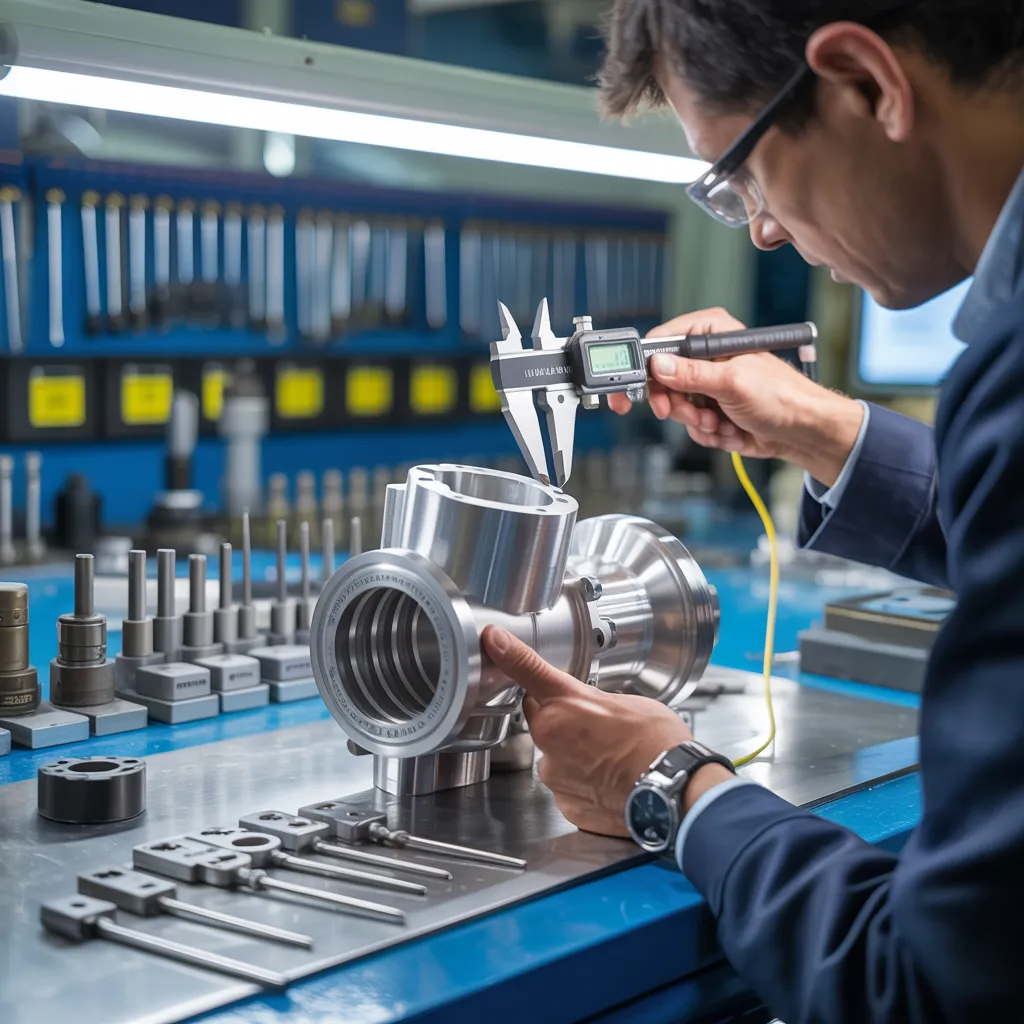
Exploring the Benefits of Aluminum in Manufacturing
Aluminium, known for its light yet strong properties, presents significant advantages in industrial applications. Its exceptional strength-to-weight proportion makes it well-suited for uses demanding both resilience and lightweight characteristics, such as the aerospace and automotive sectors. Furthermore, aluminum is exceptionally corrosion-resistant, which extends the lifespan of products and minimizes maintenance costs. The ease of machining aluminum enables intricate designs and precise tolerances, improving the quality of finished products.
In addition, aluminum's outstanding heat and electrical transfer properties makes it ideal for diverse applications, including thermal management systems and electrical parts. The alloy is also recyclable, advancing environmental goals within industrial production. Its versatility permits a wide array of finishes and coatings, providing aesthetic appeal along with functionality. Overall, aluminum proves to be a favored option in today's manufacturing industry due to its combination of performance, economic efficiency, and environmental benefits.
Best Practices for Quality Control in Aluminum Machining
In aluminum machining, robust quality control is critical to ensure accuracy and dependability. Key aspects include the use of various inspection methods, conformance to tolerance and specification guidelines, and the application of continuous improvement processes. By concentrating on these key factors, producers can improve product quality and operational performance.
Inspection Methods Overview
Effective quality control in aluminum machining is built upon comprehensive inspection techniques. Such methods cover a variety of methods designed to guarantee surface integrity and dimensional accuracy. Common practices include visual inspections, which help identify surface irregularities, and dimensional checks using calipers and micrometers for precise measurement. Advanced technologies, such as coordinate measuring machines, facilitate comprehensive analyses of complex geometries. Non-destructive testing (NDT) techniques, including ultrasonic testing and eddy current inspection, are applied to uncover internal flaws without damaging the material. Moreover, employing statistical process control (copyright) helps monitor consistency and production processes. By integrating these inspection methods, product quality can be enhanced and waste reduced, ultimately leading to enhanced operational efficiency in aluminum machining.
Tolerance Standards and Specifications
Establishing accurate specification and tolerance standards is critical for ensuring manufacturing quality in aluminum machining. These guidelines outline acceptable ranges for dimensions, ensuring that parts perform and fit as required. Complying with established industry standards, such as ISO and ASME standards, allows manufacturers to reduce variability and improve product reliability. Leveraging equipment such as calipers, micrometers, and gauges facilitates exact measurement, while copyright effectively tracks production consistency. By recording these specifications, operators can assess actual output against intended specifications, enabling necessary corrective measures. Moreover, transparent communication of requirements to every stakeholder, including both suppliers and end customers, encourages alignment and lowers the likelihood of miscommunication. Adopting stringent tolerance standards ultimately contributes to improved product quality and operational efficiency.
Continuous Improvement Practices
Ongoing improvement methodologies are vital for advancing quality control in aluminum machining. Implementing methodologies such as Six Sigma and Lean Manufacturing can greatly reduce waste and improve process efficiency. Routine training and competency building for operators confirm that the workforce remains skilled in applying modern technologies and techniques. Establishing feedback loops allows for real-time adjustments and fosters a culture of continuous learning. Furthermore, leveraging data analytics can detect patterns and irregularities in production, allowing for preventive actions to copyright quality standards. Regular audits and performance evaluations assist in confirming adherence to tolerance specifications, guaranteeing uniformity. By incorporating these approaches, businesses can reach elevated levels of accuracy and efficiency, ultimately producing outstanding product quality and customer fulfillment.
Explore Effective Waste Reduction Techniques in Aluminum Machining
Efficient waste minimization strategies in aluminum machining are crucial for improving efficiency and sustainability. Strategies such as implementing streamlined production processes, optimizing tool selection, and recycling scrap aluminum can significantly minimize material waste. These methods not only minimize costs but also support a more sustainable approach to machining.
Applying Lean Production Practices
Implementing lean manufacturing practices in aluminum machining streamlines processes and minimizes waste, enhancing overall productivity. By implementing strategies such as value stream mapping, manufacturers are able to pinpoint non-value-added activities and remove them. This methodology focuses on continuous improvement, motivating teams to consistently evaluate workflows and apply corrective actions. Techniques like 5S (Sort, Set in order, Shine, Standardize, Sustain) foster an organized workplace, further reducing inefficiencies. Moreover, just-in-time production limits inventory levels, cutting holding costs and streamlining resource allocation. Involving employees in problem-solving efforts strengthens their dedication to lean principles, fostering a culture of efficiency. Overall, integrating these practices not only improves operational performance but also contributes to sustainable growth in the aluminum machining sector.
Refining Tool Selection Techniques
Implementing lean manufacturing practices creates a framework for enhancing tool selection methods in aluminum machining. By copyrightining production processes, manufacturers are able to identify the most suitable tools customized for specific processes, thereby enhancing efficiency. Identifying the correct cutting tools considering material properties, thickness, and required finish minimizes waste and maximizes performance. Moreover, utilizing advanced tool materials, such as carbide or coated tools, helps extend tool longevity and lower replacement rates. Implementing tool monitoring systems allows for real-time data acquisition, enabling changes that continue to improve machining operations. In conclusion, a systematic approach to tool selection fosters not only precision in machining but also contributes to substantial cost savings and efficient resource use in aluminum production.
Effective Recycling of Scrap Aluminum
A large share of aluminum scrap material produced through machining operations can be successfully repurposed, creating a pathway for machining companies to strengthen eco-friendly practices and reduce operational costs. Establishing effective recycling systems involves gathering aluminum waste materials, organizing it according to alloy classification, and ensuring it is free from contaminants. This approach not only reduces material waste but also enables businesses to recover useful materials for future applications. Furthermore, developing relationships with regional recycling plants can simplify the overall recycling workflow and reduce transportation costs. By embracing scrap reduction methods, such as refining manufacturing procedures to limit applicable information waste output, machining facilities can further improve their ecological footprint. Ultimately, the effective reclamation of aluminum waste advances a resource-efficient economy, encouraging both environmental accountability and commercial practicality in the metalworking sector.
Leading Tools for Optimal Aluminum Machining
Choosing the appropriate tools is essential for obtaining effective aluminum processing. HSS and carbide tools are widely chosen due to their longevity and machining capability. These carbide inserts, known for their hardness and wear resistance, are outstanding in high-speed machining scenarios, permitting increased feed rates and prolonged tool longevity. Furthermore, end mills and drills specially engineered for aluminum utilize precision-engineered geometries, which decrease friction and promote efficient chip evacuation.
Furthermore, cooling systems play a vital part in keeping tool temperature stable and improving the quality of the surface finish. Tools with a favorable rake angle are especially efficient, as they enable a smoother cutting process and reduce the likelihood of workpiece deformation.
Choosing quality tools significantly boosts manufacturing efficiency but also delivers consistent machining results, proving it vital for fabricators looking to optimize their operational efficiency in the machining of aluminum.
How to Increase Accuracy in Aluminum Machining?
Improving exactness in aluminum machining requires a systematic method that covers multiple elements, including choosing the right tools, the calibration of machines, and machining techniques. The choice of precision tools is of paramount importance; carbide-based tools, for instance, present superior resistance to wear and lasting performance, which support preserving tight tolerances.
In addition, periodic machine calibration is necessary to establish that equipment operates within specified limits, preventing deviations that could affect precision. Operators are required to emphasize establishing appropriate feed rates and machining speeds tailored to the specific alloy being machined.
Moreover, keeping the workspace clean reduces contamination and ensures reliable outcomes. Leveraging cutting-edge software for simulation and tool path enhancement can further enhance precision by predicting potential issues before they arise.
Advancing Trends in Aluminum Machining Technologies
Breakthroughs in aluminum processing techniques are poised to redefine manufacturing norms in precision and efficiency. Current developments suggest a movement toward smart manufacturing and automation, integrating artificial intelligence and advanced robotics to improve manufacturing output. These advancements support live monitoring and real-time corrections, reducing waste and improving quality control.
Furthermore, the adoption of 3D printing technology is growing in prominence, facilitating sophisticated geometric structures that traditional processes fail to replicate. This development not only streamlines prototype creation but also supports tailored solutions, catering to specific client needs.
Furthermore, developments in cutting tools and materials are enhancing tool performance and longevity, effectively limiting idle time. Sustainable practices are also becoming more prevalent, with a commitment to reducing energy consumption and recycling aluminum scrap. In summary, the trajectory of aluminum machining is defined by a fusion of cutting-edge innovation and sustainable methods, forecasting a more capable and environmentally responsible manufacturing era.
Questions We Often Receive
What Are the Main Challenges in Aluminum Machining?
Frequent obstacles in aluminum machining encompass tool wear, material deformation, chip formation, and maintaining accurate tolerances. Moreover, controlling cutting speeds and feed rates is critical to minimize heat buildup and guarantee effective machining procedures.
How Does Aluminum Compare to Other Metals in Machining?
Aluminum typically provides simpler machining relative to numerous metals due to its softness, lower density, and superior thermal conductivity. Nevertheless, it may introduce difficulties such as tool wear and surface finish quality that demand attentive handling.
What Safety Guidelines Should Be Observed During Aluminum Machining?
During aluminum machining, key safety practices consist of using protective eyewear, gloves, and face masks, maintaining adequate ventilation, employing suitable tools, preserving an organized workspace, and following machine operation guidelines to avoid accidents and injuries.
How Do Machining Speeds Affect Aluminum Workpiece Properties?
Processing speeds significantly affect the properties of aluminum workpieces. Increased speeds can improve surface quality and reduce tool wear but may cause elevated thermal stress, potentially compromising material integrity. The most effective speeds successfully maintain both performance and workpiece integrity.
Can Aluminum Material Be Recycled Once Machining Is Complete?
Aluminum is absolutely recyclable following the machining process. The recycling process facilitates the reclamation of useful material, decreasing the ecological footprint while advancing sustainability. Recovered aluminum preserves its inherent qualities, making it viable for various applications in manufacturing.